

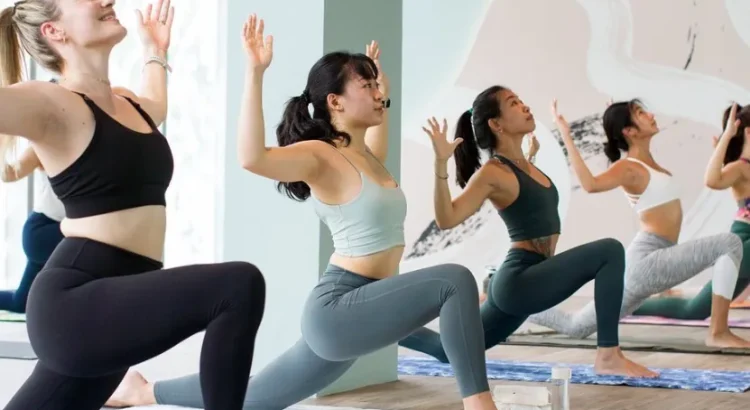
The popular image of a yoga practitioner, young, flexible, female and drawn to the practice primarily for its aesthetic and stress-management appeal, has never accurately described the full demographic composition of yoga Singapore. The city-state’s yoga community has always been more diverse, more analytically demanding and more functionally motivated than this stereotype allows. As the practice has matured in Singapore over the past two decades, this demographic complexity has deepened rather than simplified, and the studios, teachers and wellness organisations that serve this market most effectively are those that understand the distinct needs, motivations and health profiles of the major demographic segments that constitute Singapore’s yoga community.
The Corporate Professional Segment
Singapore’s corporate professional practitioners represent the largest and most commercially significant demographic segment in the yoga market. This group is broadly characterised by tertiary education, professional employment in the financial services, technology, legal or management consulting sectors, household incomes in the upper quartile of Singapore’s income distribution, and an age range concentrated between 28 and 52.
Their relationship to yoga is primarily instrumental, in the positive sense that they come to the practice with clear functional objectives: stress management, physical maintenance, sleep improvement and the cognitive performance benefits that regular practice produces. They are analytically literate and respond well to evidence-based framing of yoga’s benefits. They are time-constrained and place a high premium on scheduling efficiency and proximity to work or home. And they are quality-sensitive, willing to pay premium prices for a studio experience that meets their standards but deeply averse to paying for anything that feels mediocre or poorly considered.
The health profile of this demographic is shaped by the specific occupational demands of knowledge work in Singapore’s professional sector. Chronic stress and the associated cortisol dysregulation that produces sleep disruption, mood instability and metabolic changes is essentially universal. Musculoskeletal presentations related to prolonged desk work, including cervical pain, thoracic immobility and hip flexor shortening, are nearly as prevalent. The yoga practices that best serve this group are those that directly address these presentations while also delivering the nervous system modulation and attentional training that produce cognitive and emotional performance benefits.
Their engagement with yoga is characteristically outcome-focused. They track their progress, respond well to goal-setting frameworks within their practice, and are likely to expand their engagement with a studio through workshops and private sessions when they perceive clear value in doing so. Retaining this demographic requires continuous delivery of perceived progress and ongoing exposure to new dimensions of the practice that prevent the plateau effect that drives attrition.
The Competitive Athlete Segment
Singapore’s competitive athlete yoga practitioners represent a smaller but growing and distinctly characterised segment. This group includes competitive runners, triathletes, cyclists, swimmers, climbers, martial artists and team sport players who have incorporated yoga into their training programmes as a complementary discipline rather than as their primary athletic pursuit.
Their motivations for yoga practice are specific and performance-oriented: injury prevention through mobility maintenance and postural correction, recovery acceleration through nervous system down-regulation and fascial hydration, and the breath control and mental resilience training that translate directly into competitive performance. They are typically the most physically capable practitioners in any mixed class, but their yoga-specific skill set may be considerably less developed than their athletic fitness would suggest, which creates interesting coaching challenges for studio teachers who need to simultaneously challenge their physical capacity and address their movement quality deficits.
The health presentations most common in this segment relate to the overuse patterns and compensatory movement habits that competitive sport produces. Distance runners commonly present with shortened hip flexors, inhibited glutes and limited thoracic mobility. Cyclists share the hip flexor shortening and add a characteristic thoracic kyphosis from the aerodynamic riding position. Climbers typically show excellent upper body strength but limited shoulder internal rotation and hip external rotation. Understanding these sport-specific patterns allows yoga teachers to design practices that target the specific deficits of this demographic rather than delivering generic athletic yoga content.
The Senior Practitioner Segment
Singapore’s senior yoga community, broadly defined as practitioners aged 60 and above, is the fastest-growing demographic segment in the city’s yoga market and arguably the one whose health needs are most meaningfully served by regular practice. This group is physiologically diverse, ranging from highly active older adults with excellent functional capacity to practitioners managing significant chronic conditions including osteoporosis, cardiovascular disease, neurological conditions and musculoskeletal degeneration.
What unites the senior segment is the specific physiological context that shapes their relationship to yoga. Muscle mass is declining at an accelerated rate from the 60s onward through the process of sarcopenia. Bone mineral density is declining, with the rate accelerating in post-menopausal women. Proprioceptive acuity and balance capacity are reduced. The cardiovascular system is less adaptable. Recovery from physical exertion takes longer. And the risk of fall-related injury, which can have life-altering consequences in this age group, is substantially elevated.
The yoga practices that best serve the senior demographic address these physiological realities directly. Weight-bearing postures provide the osteogenic stimulus that helps maintain bone density. Balance and proprioception training reduces fall risk. Gentle strengthening work through yoga postures supports the maintenance of muscle mass and functional capacity. The nervous system modulation that yoga produces helps manage the elevated cortisol levels that characterise older adults dealing with multiple health stressors.
This segment is also characterised by a different relationship to practice time and scheduling than younger demographics. Senior practitioners generally have more schedule flexibility than working professionals, and many develop high attendance consistency as a result. They are also more socially motivated by their studio community, and the relationships formed within a senior-friendly studio environment often become genuinely important social anchors in a life stage where social networks are sometimes contracting.
Yoga Edition and Singapore’s most thoughtful studios serve all three of these demographic segments, but the ones that do it best are those that design their programming, scheduling and studio culture with genuine specificity for each group’s needs rather than defaulting to a one-size-fits-all model that serves none of them optimally.


