

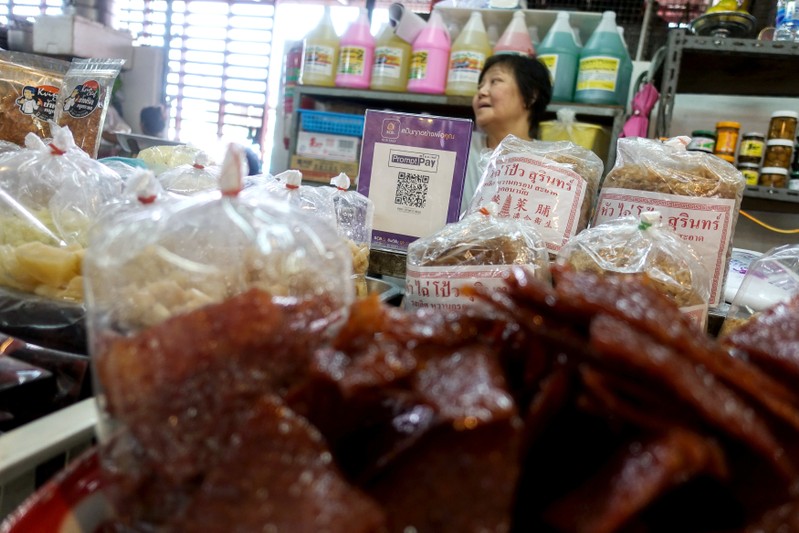
Food exports are not only about moving products from one country to another. They depend on quality control, product suitability, packaging, documentation, market knowledge and reliable logistics. A Thai food and beverage exporter can help connect Thailand’s strong food production base with overseas buyers who need dependable supply, clear standards and products that suit local consumer demand.
Thailand Has Strong Food Export Potential
Thailand is widely associated with food, from rice, sauces and seasonings to fruit, seafood, snacks and ready-to-use ingredients. That reputation gives Thai products a strong starting point in international markets, especially where buyers want flavour, variety and products linked to an established food culture.
However, demand alone is not enough. Export success depends on whether products can meet the expectations of importers, retailers, distributors and end customers. Taste, shelf life, packaging format, labelling and price all influence whether a product is commercially viable.
A product that sells well locally may still need adjustment for overseas markets. Portion size, language, compliance information and storage requirements may all need to be reviewed before export.
Quality Control Builds Buyer Confidence
Food and beverage buyers need consistency. They want products that meet agreed standards every time, not only during the first shipment. If quality varies, it can affect customer trust, retailer relationships and repeat orders.
This makes quality control essential. Products need to be checked for safety, appearance, packaging condition, shelf life and specification before they move through the export process. For food items, even small issues can create serious commercial problems if they are discovered after arrival.
A reliable exporter helps reduce this risk by working with suitable producers, checking requirements carefully and making sure products are handled correctly before dispatch.
Packaging Needs To Work For The Destination
Packaging plays a practical and commercial role in food exports. It protects the product during transport, supports shelf life, carries important information and helps the item appeal to buyers and consumers.
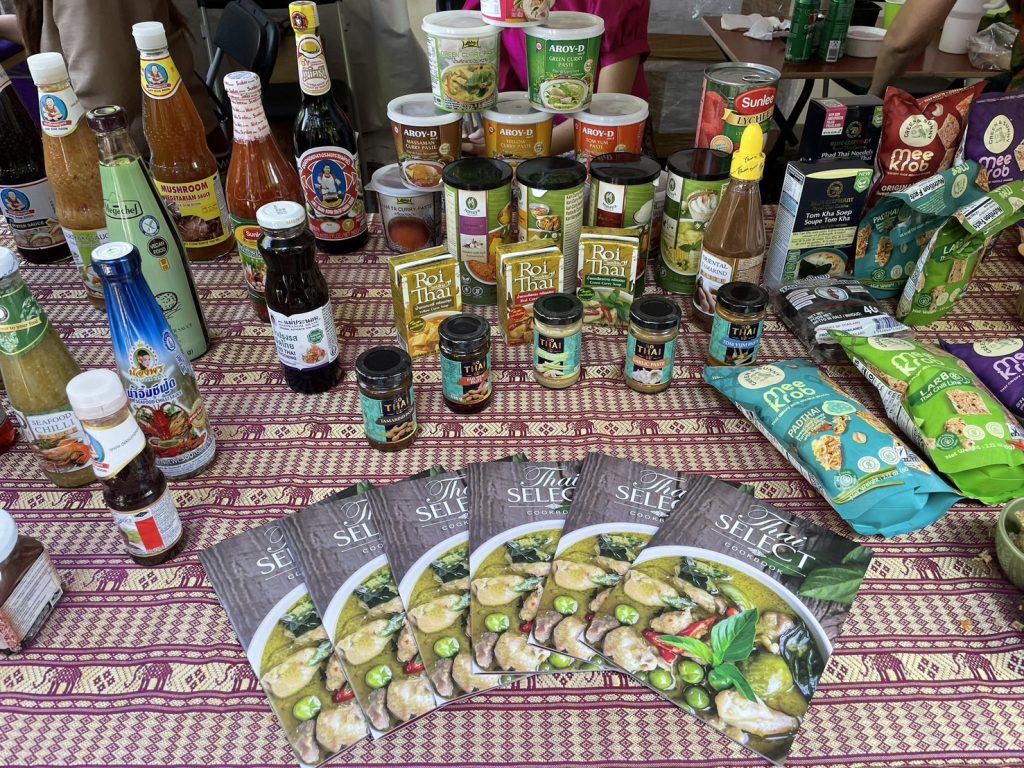
Different markets may require different packaging formats. A foodservice buyer may want bulk packaging, while a retailer may need consumer-ready units with strong shelf presentation. Some products may need temperature protection, moisture resistance or robust cartons for longer journeys.
Labelling also matters. Ingredients, allergens, nutritional details, country of origin, expiry dates and language requirements may need to meet the rules of the destination market. Getting these details wrong can delay shipments or prevent products from being sold.
Market Fit Should Be Considered Early
Not every product will suit every market. A flavour profile that is popular in Thailand may need careful positioning elsewhere. Some markets may prefer mild versions, while others actively seek authentic Thai taste. Price sensitivity, dietary trends, retail habits and cooking culture can all affect demand.
Exporters and buyers should think about market fit before committing to volume. Who is the product for? Will it sit in supermarkets, restaurants, online stores or wholesale channels? Does the buyer need a premium product, a value option or an ingredient for further manufacturing?
Clear answers make the export process more focused. They also help avoid sending products into markets where demand has not been properly understood.
Logistics Protect The Product
Food and beverage exports require careful logistics. Some products are shelf-stable, while others need chilled, frozen or humidity-controlled handling. Transport time, container conditions, customs clearance and storage at destination can all affect quality.
A good export process needs planning from end to end. It should consider how the product will be packed, loaded, shipped, documented and handed over to the buyer. Delays can be especially damaging for products with limited shelf life or specific storage needs.
Reliable logistics do not simply move goods. They protect the commercial value of the shipment.
Strong Export Relationships Support Growth
Successful food exporting is built on trust between producers, exporters, buyers and distributors. Each side needs clear communication, realistic expectations and confidence that agreed standards will be met.
For overseas buyers, working with a dependable exporter can make sourcing Thai food and beverage products much easier. It reduces uncertainty around supply, documentation, product quality and coordination.
Thailand offers strong opportunities in food and beverage exports, but long-term success depends on more than product appeal. When quality, packaging, market fit and logistics are handled properly, Thai products are better placed to reach international customers in a way that is consistent, commercially sound and ready for repeat demand.