

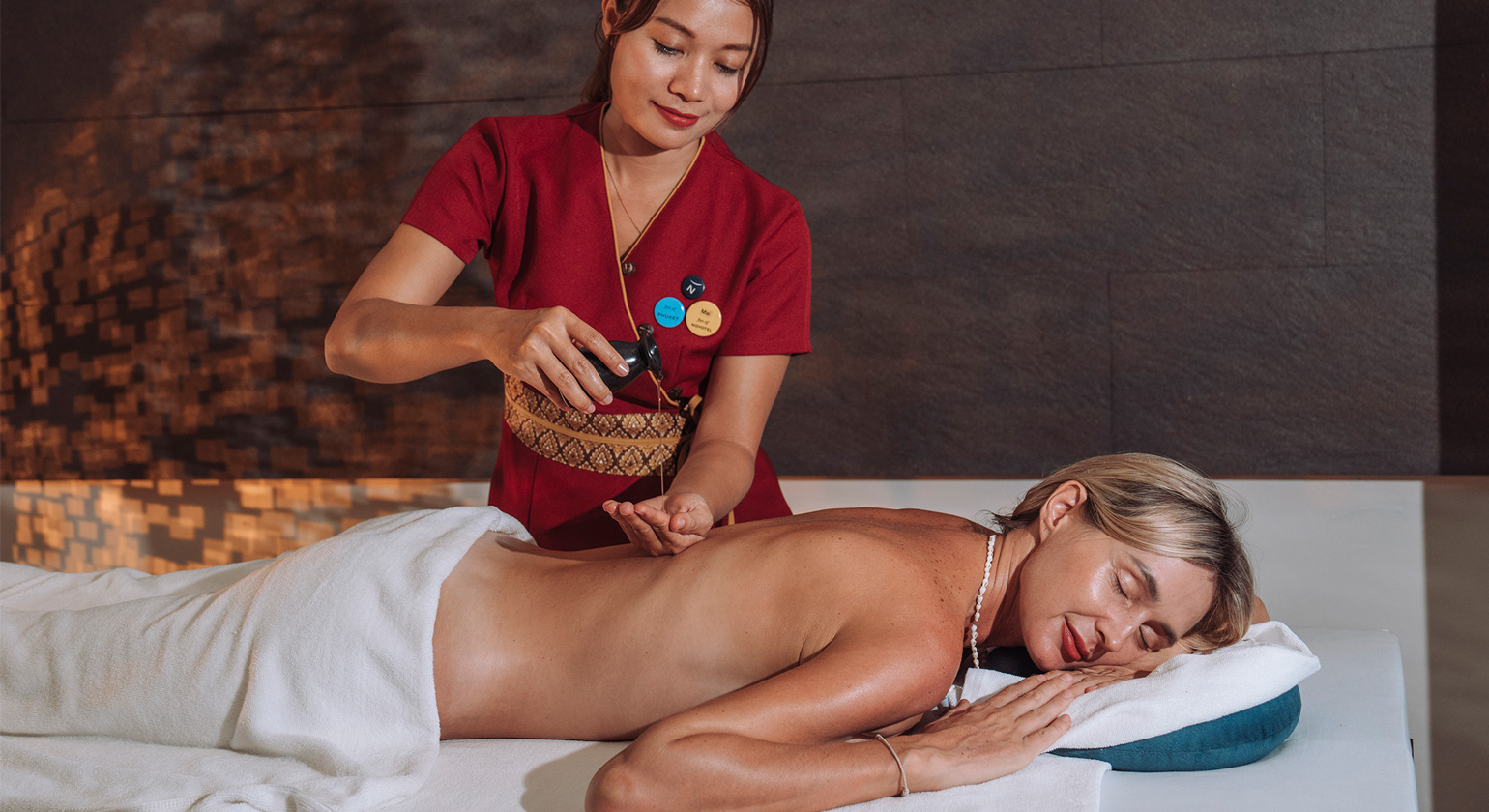
Travel compresses a lot into short windows, unfamiliar beds, long walks, heat exposure, disrupted sleep, and constant sensory input. Even enjoyable trips quietly tax the body. Many travellers who book time at a spa in Phuket notice that structured personal care becomes less about indulgence and more about restoring balance after days of physical and mental stimulation.
Ritual creates grounding. When daily routines dissolve while travelling, small anchors help the nervous system recalibrate. A dedicated pause for rest, warmth, or gentle touch provides predictability inside an otherwise fluid schedule. This stability supports clearer thinking, better sleep, and steadier energy levels.
Recovery rarely happens by accident. It emerges when the body receives consistent signals of safety and rest rather than constant novelty.
Why the Body Needs Intentional Pause While Travelling
Movement patterns change rapidly during travel. Walking distances increase, posture adapts to luggage and transport, and hydration routines fluctuate. These shifts create muscular tension and nervous system fatigue even when people feel mentally energised.
Intentional rest interrupts this accumulation. Heat therapy improves circulation. Gentle manual work encourages tissue mobility. Quiet environments reduce sensory load. Together, these cues allow the body to transition from alertness into repair mode.
Short recovery windows often deliver disproportionate benefit because they prevent fatigue from compounding.
Psychological Reset Through Sensory Simplicity
Travel environments overload attention. New sounds, colours, smells, and social interactions continuously demand processing. While stimulating, this density eventually drains focus and emotional resilience.
Calm sensory spaces offer contrast. Soft lighting, steady temperature, muted sound, and slow pacing reduce cognitive demand and support mental clarity. People often leave feeling lighter, not because anything dramatic occurred, but because the nervous system finally had space to downshift.
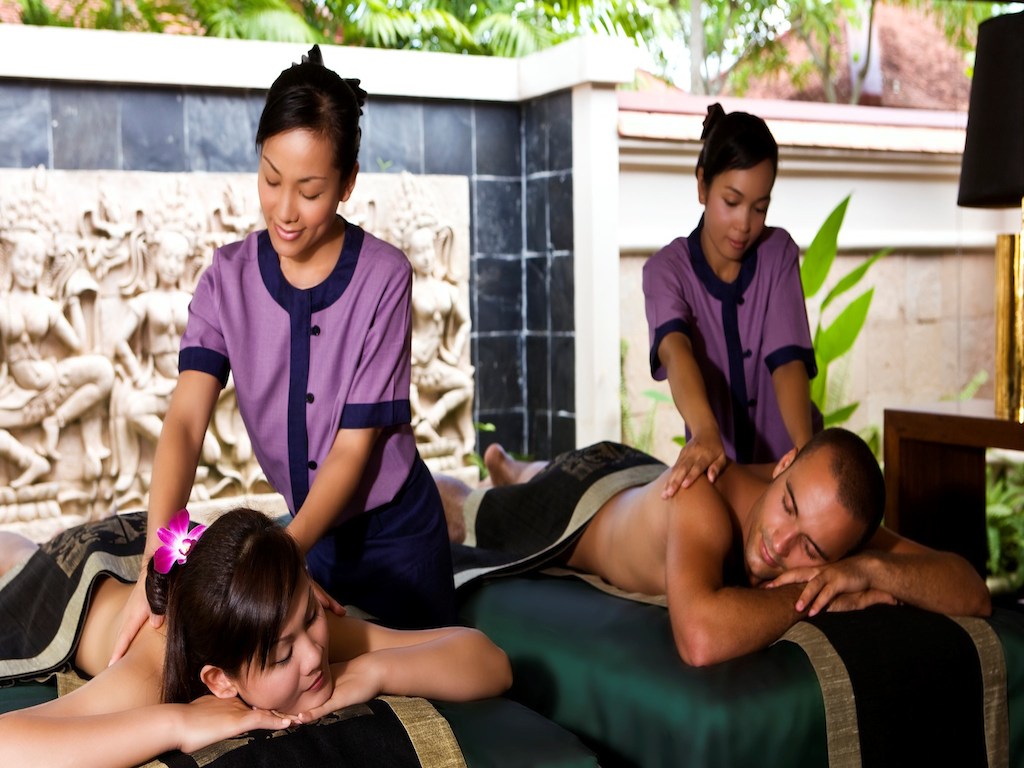
This reset influences how the rest of the trip feels. Decision-making becomes calmer. Patience increases. Small inconveniences feel easier to navigate.
Reconnecting With Physical Awareness
Travel often disconnects people from bodily awareness. Hunger cues blur, posture stiffens, and breathing becomes shallow during transit and sightseeing.
Personal care rituals bring attention back into physical sensation. People notice where tension accumulates, how breathing changes when relaxed, and how temperature influences comfort. This awareness encourages small behavioural adjustments throughout the day, more water breaks, slower walking pace, better posture choices.
These micro-adjustments prevent discomfort from rebuilding as quickly.
Creating Rhythm Inside Flexible Schedules
Holidays remove structure. Wake times drift, meal timing shifts, and activity patterns fluctuate. While liberating, this unpredictability can disrupt sleep cycles and energy regulation.
Scheduling a consistent care window introduces rhythm without rigidity. The body responds positively to predictable rest signals even when the rest of the day remains fluid.
This rhythm supports deeper recovery across consecutive days rather than relying on occasional full rest days.
Carrying the Habit Beyond the Trip
Many travellers notice that once they experience consistent physical reset, they become more attentive to self-maintenance habits after returning home. Stretching, hydration awareness, screen breaks, and posture adjustments integrate more naturally.
The benefit extends quietly into daily life rather than ending with the trip itself.
Personal care rituals succeed because they stabilise the body inside change. When recovery becomes intentional rather than accidental, travel feels expansive rather than draining, allowing energy, attention, and enjoyment to sustain across the journey.