

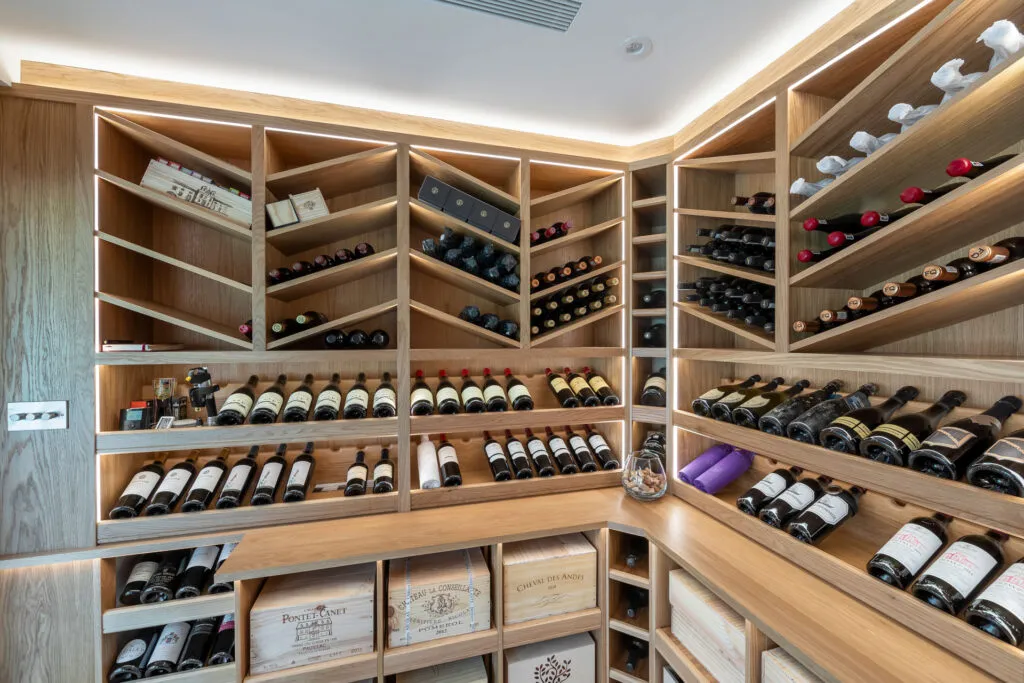
Wine can continue to develop long after it has been bottled, but only when it is kept under suitable conditions. A properly managed wine cellar provides a more stable environment than an ordinary kitchen cupboard, display shelf or domestic refrigerator. Temperature, light, humidity and movement can all influence how a bottle ages, making thoughtful storage important for collectors and occasional buyers alike.
Why Temperature Stability Matters
Heat is one of the greatest risks to stored wine. Prolonged exposure to high temperatures can accelerate chemical reactions inside the bottle, causing the wine to mature too quickly and lose the balance intended by the producer.
Sudden temperature changes can be equally problematic. Repeated expansion and contraction may place pressure on the closure, increasing the possibility of air entering the bottle. This can contribute to premature oxidation, which may leave the wine tasting flat or stale.
The goal is not simply to keep bottles cold. It is to maintain a consistently cool environment with as little fluctuation as possible. A domestic refrigerator is designed for everyday food rather than long-term wine storage. It is usually colder than necessary, has low humidity and experiences frequent changes whenever the door is opened.
Avoid keeping valuable bottles near ovens, boilers, windows or external walls exposed to strong afternoon sunlight. Even when a room feels comfortable, enclosed cupboards can become noticeably warmer during the day.
Protect Bottles From Light and Movement
Strong light can affect wine over time, particularly when bottles are made from clear or lightly coloured glass. Ultraviolet exposure may alter delicate compounds and contribute to unwanted changes in aroma and flavour.
This is why many wines are packaged in dark green or brown glass. However, tinted bottles do not provide complete protection. Collections should still be stored away from direct sunlight and intense artificial lighting.
Constant movement is another concern. Wine kept close to washing machines, lifts, busy walkways or frequently moved shelving may be exposed to repeated vibration. Although the effect can be difficult to measure in everyday settings, collectors generally favour a calm environment where bottles can remain undisturbed.
Once a bottle has been placed into long-term storage, it is sensible to leave it in the same position until it is required. Clear labelling and an organised inventory reduce the need to handle several bottles while searching for one particular vintage.
Store Bottles in the Correct Position
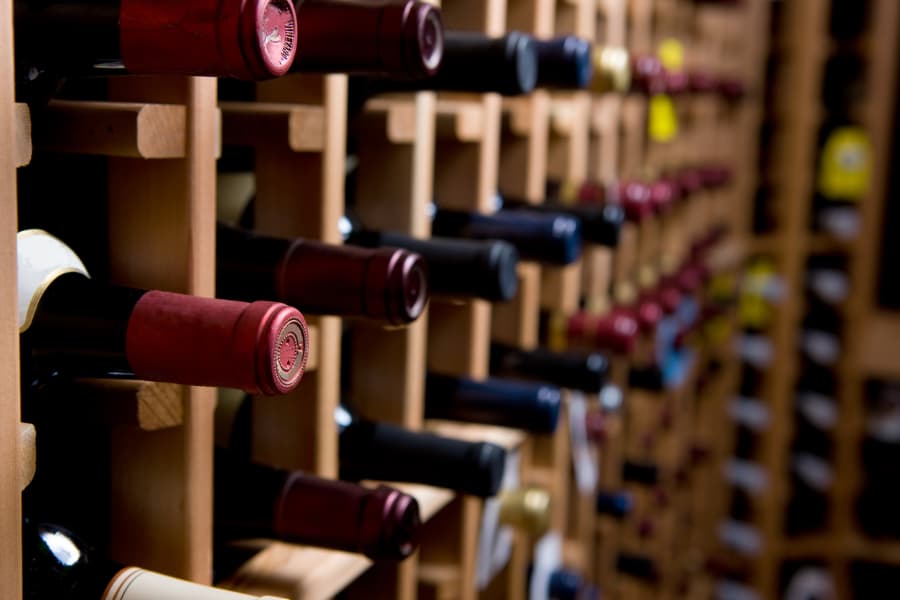
Traditionally cork-sealed wine is commonly stored horizontally. This keeps the wine in contact with the cork, helping to prevent it from drying out and shrinking. A compromised cork can allow air into the bottle or lead to leakage.
Bottles with screw caps, glass closures or synthetic corks do not rely on the same contact and may be stored upright. Sparkling wine is also sometimes treated differently because internal pressure helps maintain the seal.
Bottle shape should be considered when selecting racks. Champagne, Burgundy and certain premium bottles may be wider than standard designs. Shelving that is too narrow can create unstable stacks or make labels difficult to read.
Magnum and other large-format bottles need stronger support because of their additional weight. They should not be balanced on top of smaller bottles or placed where they could roll when another item is removed.
Organise the Collection Around Drinking Plans
Good organisation protects wine while making the collection easier to enjoy. Bottles intended for near-term drinking should be accessible, while those purchased for extended ageing can be placed farther back.
Record the producer, region, vintage, purchase date and quantity of each wine. It can also be helpful to note an estimated drinking window. This reduces the likelihood of opening a bottle too early or discovering that several wines have passed their best.
Group bottles in a way that suits how the collection is used. Some people organise by country or grape variety, while others prefer to arrange wines according to maturity. There is no universal system, but it should be simple enough to maintain as new bottles are added.
Valuable collections may benefit from photographs, purchase records and periodic checks for seepage, damaged labels or changes in fill level.
Create a Consistent Long-Term Environment
Wine storage is less about creating a decorative display and more about protecting each bottle from avoidable change. Consistent temperature, controlled light, suitable positioning and careful organisation help preserve the qualities that made the wine worth keeping.
With the right environment and a reliable record of what is stored, a collection becomes easier to manage and far more likely to be enjoyed at the right moment.