

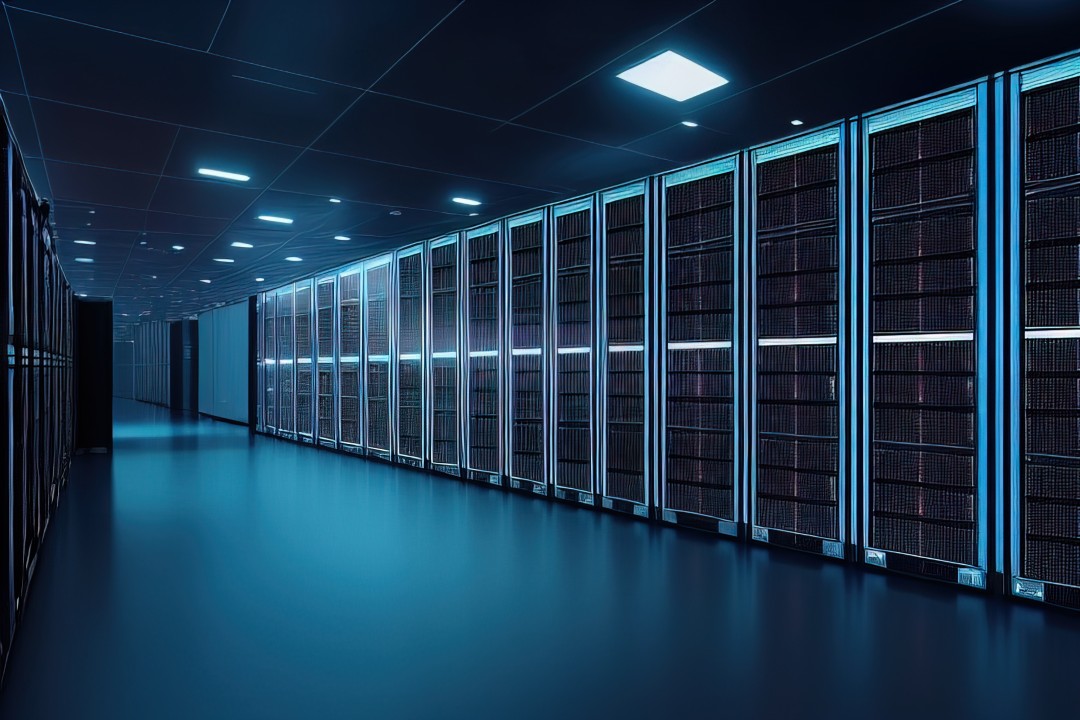
Data centres have become the backbone of the digital age, housing critical systems that power businesses, governments, and entire economies. However, as the demand for data processing and storage capabilities surges, so does the energy consumption required to maintain these infrastructures. For tropical regions like Thailand, where temperatures are high and humidity persists year-round, achieving efficient cooling solutions is essential to ensure optimal data centre performance while minimising energy use.
One advanced solution that has become increasingly relevant is precision cooling. Precision cooling systems provide highly targeted and controlled cooling to specific areas within a data centre, ensuring that energy is used efficiently without overcooling unoccupied spaces.
The Challenges of Cooling Data Centres in Thailand
Thailand’s tropical climate presents unique challenges when designing and maintaining data centres. Consistently high temperatures and humidity levels can cause servers to overheat, potentially leading to downtime, hardware damage, or decreased operational lifespan. Traditional cooling methods often result in excessive energy use, as systems work harder to combat the relentless heat.
Furthermore, with Thailand’s commitment to sustainability and reducing energy consumption as part of its national development strategy, operators are under increasing pressure to implement solutions that not only maintain performance but are also eco-friendly.
How Precision Cooling Addresses These Challenges
Precision cooling solutions are particularly effective in addressing the climate-related challenges faced by data centres in Thailand. Unlike traditional methods that typically rely on cooling entire rooms, these systems focus on critical equipment requiring temperature regulation.
Benefits of Precision Cooling for Energy Efficiency:
- Targeted Cooling
Precision cooling systems focus on specific areas, ensuring energy is directed to where it is needed most, such as server racks and high-density zones. This prevents the waste associated with cooling areas that do not require it.
- Quickly Adapts to Fluctuations
Data centres experience variable heat loads throughout the day, depending on activity levels. Precision cooling systems adapt dynamically to fluctuations, maintaining an ideal balance between performance and efficiency.
- Lower Energy Use Overall
Because it centres on cooling the hottest areas rather than entire spaces, precision cooling significantly reduces energy consumption, lowering operational costs. For a region like Thailand, this reduction in energy demand can contribute positively to sustainability goals while offering significant cost savings.
- Improved Hardware Performance
Maintaining consistent temperatures around sensitive equipment ensures optimal operating conditions, ultimately extending the lifespan of hardware and reducing the risk of overheating incidents.
Implementing Precision Cooling in Thailand’s Data Centres
Integrating precision cooling solutions into Thailand’s data centre design and maintenance requires careful consideration of specific environmental conditions. Operators must analyse local temperature and humidity patterns, ensure proper placement of equipment for optimal airflow, and continuously monitor system performance to guarantee efficiency.
Additionally, leveraging innovative technologies that monitor cooling efficiency in real-time can further enhance performance. Combining these systems with renewable energy sources could also drive sustainability initiatives, which are especially important as Thailand pursues greener technology infrastructures.
The Future of Energy-Efficient Data Centres
With the rise in digitalisation and demand for data storage, data centre operators in Thailand and other tropical regions face growing responsibility to balance performance and sustainability. Precision cooling stands out as an advanced solution that addresses this challenge head-on, offering superior cooling capabilities while lowering energy consumption and operational costs.
By adopting these targeted cooling strategies, Thai data centres can ensure their continued reliability and support the country’s efforts towards sustainability, all while keeping up with the demands of a rapidly evolving digital landscape.