

The Fundamentals of WPT Power: What You Need to Know
Understanding Wireless Power Transfer Technology
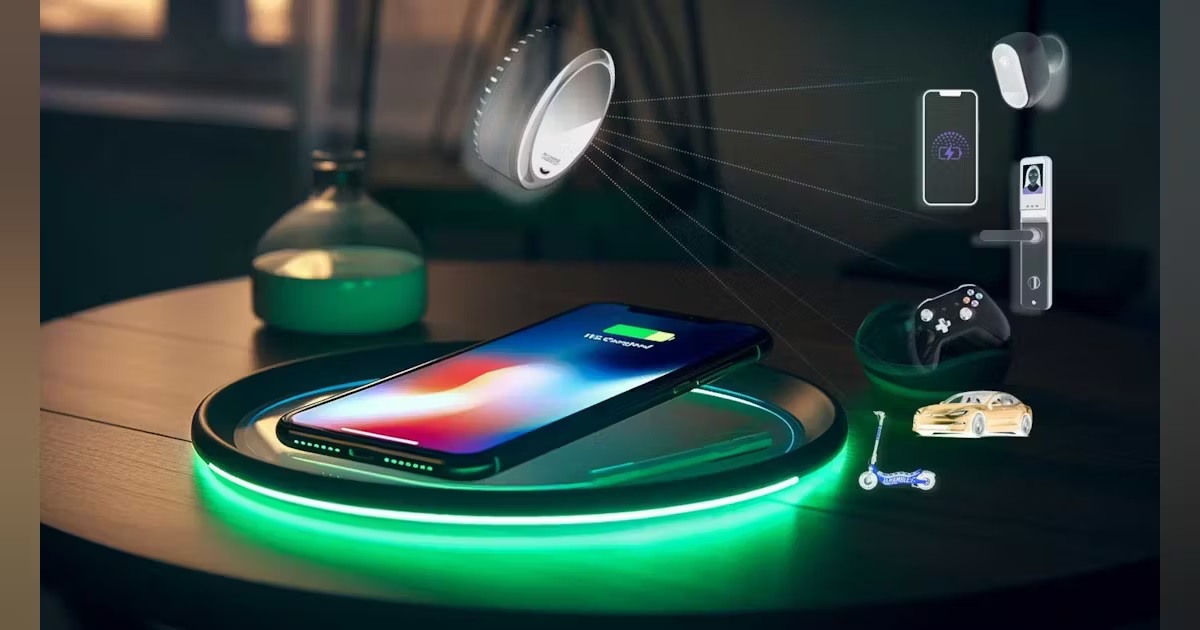
Wireless Power Transfer (WPT) technology represents a paradigm shift in how we think about energy delivery. Traditionally, electrical devices have relied on wired connections, presenting limitations in mobility and convenience. WPT overcomes these hurdles by leveraging electromagnetic fields to transmit energy without a physical connection. The fundamental principle behind WPT involves two key components: the transmitter and the receiver. The transmitter generates an electromagnetic field that can carry energy; this field is intercepted by a receiver which converts it back into usable electrical power. As a result, devices can be powered or even charged without the need for cumbersome cords or plugs, making our interactions with technology more fluid and intuitive.
The Science Behind Inductive Coupling
At the heart of many WPT systems lies inductive coupling, a method that uses magnetic fields to transfer power between coils. This principle is akin to the way transformers operate, where alternating current flowing through a primary coil generates a magnetic field that induces a current in a secondary coil. The efficiency of this process depends on factors such as the frequency of the current, the alignment of the coils, and the distance between them. Inductive coupling has been successfully implemented in various applications, including mobile phone chargers and electric toothbrushes. However, its limitations in distance and efficiency are ongoing areas of research and development, particularly as the demand for more robust and versatile WPT solutions grows.
Key Applications and Current Innovations
The applications of WPT are manifold, ranging from consumer electronics to aerospace technologies. In consumer markets, the wireless charging of smartphones and wearables has gained traction. Innovations have led to the development of stations that can charge multiple devices simultaneously, further simplifying the charging process. In the automotive industry, electric vehicles (EVs) are benefitting from WPT solutions that enable charging not just at stationary stations but also during movement (dynamic wireless charging). Moreover, advancements in biomedical devices utilize WPT to eliminate the need for batteries, thereby reducing the risks associated with invasive implantable devices. This growing array of applications underscores the potential of WPT to reshape how power is managed and consumed across various sectors.
The Game-Changer: Advantages of Utilizing WPT Power
Enhancing Convenience in Everyday Devices
The most immediate advantage of WPT technology is the unparalleled convenience it offers users. Wireless charging stations can be seamlessly integrated into environments such as homes, offices, and public spaces, allowing individuals to charge devices simply by placing them on a pad or within a designated area. This not only eliminates the hassle of plugging and unplugging chargers but also reduces wear and tear on device ports. Convenience extends to a wide array of devices, as WPT is not limited to smartphones; laptops, kitchen appliances, and even power tools are exploring wireless capabilities. This shift toward ease of use is crucial as our demand for efficiency in our fast-paced lifestyles continues to increase.
The Impact of WPT on Sustainability Efforts
As the global community becomes increasingly aware of the need for sustainable practices, WPT technology stands as a beacon of hope for greener energy consumption. By enabling more efficient energy usage, WPT can help reduce electricity wastage associated with traditional power connections. Additionally, the potential for integration with renewable energy sources, such as solar panels, can facilitate cleaner energy distribution. For instance, energy generated from solar can be wirelessly transferred to electric cars parked in driveways. Moreover, by minimizing the need for disposable batteries in devices like hearing aids and implants, WPT contributes to reducing electronic waste, thus reinforcing commitments to sustainability and environmental stewardship.
Revolutionizing Industries: From Automotive to Healthcare
The transformative impact of WPT extends beyond consumer goods, making significant inroads into various industries. In the automotive sector, WPT is paving the way for a future of electric vehicles that can charge effortlessly in dedicated lanes or parking spots, drastically reducing downtime and improving the viability of electric transport systems. In healthcare, WPT technology is being harnessed to power medical implants, allowing devices like pacemakers to operate without the need for invasive battery replacements. These advancements not only enhance the safety and effectiveness of medical treatments but also open the door to innovative biotechnological applications. The revolution wrought by WPT is reshaping traditional operational paradigms across multiple fields, revealing a landscape brimming with potential.
Navigating the Challenges of WPT Implementation
Addressing Efficiency and Power Loss Issues
Despite its many advantages, the implementation of Wireless Power Transfer technology does come with specific challenges, particularly concerning efficiency and power loss. As energy is transmitted through the air, a certain percentage invariably dissipates, leading to reduced operational efficiency. Engineers and researchers are diligently working to optimize resonant inductive coupling techniques, aiming to enhance energy transmission rates while minimizing losses. The development of more efficient circuitry and better materials for transmitting coils could play a crucial role in addressing these issues. Prototype testing and exploration of novel designs continuously push the boundaries of what is achievable in terms of efficiency, with the goal of making WPT as viable and competitive as traditional wired solutions.
Safety Standards and Regulations: What You Should Know
The deployment of WPT systems also necessitates adherence to stringent safety standards and regulations to protect users and ensure device reliability. As wireless power systems operate using electromagnetic fields, regulatory bodies like the Federal Communications Commission (FCC) and the International Electrotechnical Commission (IEC) set guidelines on exposure limits to electronic emissions. Extensive testing and validation processes must take place to ensure that these systems do not interfere with other electronic devices, particularly in healthcare settings. As these technologies expand into more diverse applications, continuous oversight and updated regulations will be crucial to maintaining safety and public trust.
Cost Analysis: Is WPT Worth the Investment?
When considering the adoption of WPT technology, cost factors come into play that businesses and consumers must carefully analyze. The initial investment for developing WPT infrastructure, including proprietary technology and installation costs, can be significant. Moreover, while the long-term operational efficiencies might provide a return on investment, the upfront costs may deter smaller enterprises or individual consumers from embracing this innovation. Market trends indicate that as WPT technology matures and economies of scale take effect, prices are likely to decrease, making it more accessible. However, in the interim, a comprehensive cost-benefit analysis should take into account potential savings in maintenance, convenience, and enhanced user experiences that WPT provides.
The Future of WPT Power: Trends and Predictions
Emerging Technologies Shaping the WPT Landscape
The field of Wireless Power Transfer is ripe with potential, propelled forward by emerging technologies that promise to redefine energy delivery. Notably, advancements in materials science, particularly in superconductors and metamaterials, offer possibilities for enhanced efficiency and reduced energy losses. Furthermore, new modulation techniques and frequency optimization play a critical role in enabling fast and reliable power transfer over varying distances. As battery technologies evolve, such as the development of solid-state batteries, the harmony between WPT and these advancements could result in increasingly efficient energy systems. The integration of artificial intelligence (AI) into WPT systems also stands to revolutionize how energy is managed, optimizing charging patterns in real time and adapting to users’ habits for greater efficiency.
The Role of WPT in the Smart City of Tomorrow
As cities around the world transition towards smart infrastructure, WPT technology is poised to contribute significantly to this evolution. Urban planners envision a future where public transportation vehicles charge wirelessly while in motion, reducing dependency on charging stations and enhancing the efficiency of public transport. Furthermore, the integration of WPT with smart grids can facilitate the management of energy consumption, optimizing power delivery based on real-time demand. By enabling everything from streetlights to public kiosks to operate wirelessly, the scalability of WPT systems could lead to enhanced resource management and sustainability across urban environments, supporting initiatives to create greener, more resilient cities.
Visionary Insights: Experts Share Their Perspectives
Leading experts in the field of Wireless Power Transfer foresee a future brimming with potential for consumers and industries alike. Insights suggest that as both technology and societal acceptance progress, we can expect broader adoption and innovative applications. Researchers predict a world where not only smartphones but also wearables, appliances, and even infrastructure elements are constantly powered through WPT systems. Visionaries advocate for collaborative efforts between academia, industry, and government to accelerate the pace of innovation in WPT, citing the need for cross-disciplinary approaches that incorporate user feedback, regulatory input, and environmental considerations. As we stand on the brink of this transition, the prospects of WPT power hold the promise of smarter, more efficient, and ultimately more sustainable ways to power our lives.